Finding the Right Heavy Equipment Parts: A Comprehensive Guide
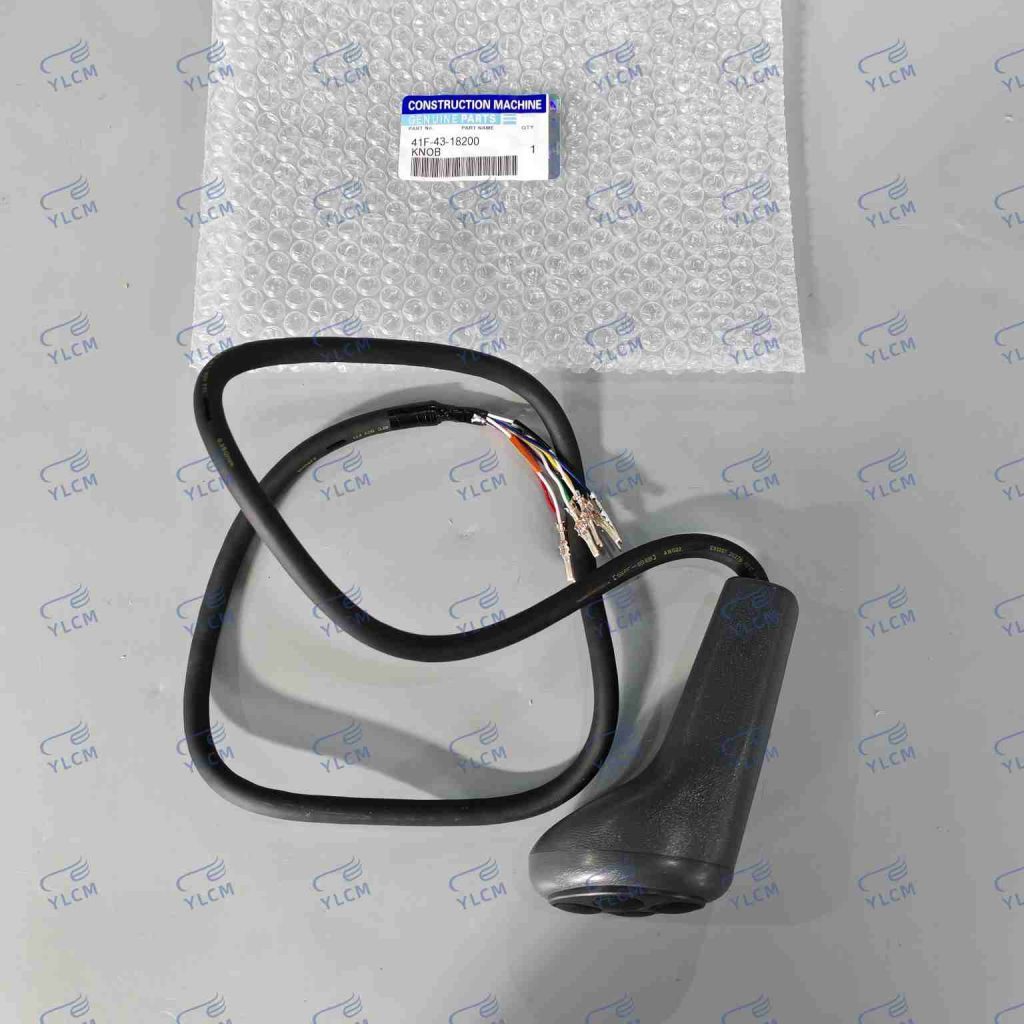
Locating the appropriate heavy equipment parts can be a challenging task for any operator . The guide delivers a detailed look at strategies for obtaining reliable replacement heavy equipment parts. Consider aspects like manufacturer suitability, presence, price , and shipping times to ensure the maintenance team get precisely what your machine needs. Avoid accepting for inferior components – purchasing in top-notch heavy equipment parts is going to extend the fleet's operational life and lessen interruptions .
Heavy Equipment Parts : Improving Uptime & Reducing Expenditures
Maintaining a fleet of earthmoving vehicles demands a strategic approach to heavy equipment parts management. Sudden component failures can quickly derail project schedules and increase operational costs . Therefore, emphasizing durable heavy equipment parts, adopting a routine servicing program, and streamlining parts supply levels are critical to ensuring productivity and limiting overall costs. Sourcing original heavy equipment parts can typically demonstrate more advantageous in the future due to enhanced reliability and lower maintenance frequency.
Vital Heavy Equipment Parts You Require Know
Maintaining your fleet relies heavily on understanding important heavy equipment parts. Scheduled upkeep begins knowing the function of core items like fluid hoses, engine filters, tracks , and pins . Ignoring these essential elements can lead costly component breakdowns and impact site output . Familiarizing yourself with these basic heavy equipment parts can keep your construction processes functioning smoothly.
Sourcing Authentic Heavy Equipment Parts: What to Look For
Finding real replacement heavy equipment parts for your heavy-duty equipment can be a difficulty, but ensuring legitimacy is vital. Look for vendors who work with the maker directly, offering traceable lineages. Examine the shipping container for authorized markings and confirm part codes against the original equipment system. Beware of remarkably reduced prices , as they often point to imitation items. Finally, think about reviews from other operators regarding the supplier's reputation and consistency in delivering quality heavy equipment parts.
Replacing Heavy Equipment Parts: A Practical Manual
When your mining equipment faces issues with specific components, replacing heavy equipment parts is often vital to keeping jobsite uptime. This manual details a straightforward phased process for many heavy equipment parts installations. First, thoroughly identify the proper part number. Then, assemble the necessary heavy-duty tools and personal equipment . Next, remove any hydraulic linkages and securely hoist the affected machinery component. Finally, take off the old component and fit the upgraded one, following the disassembly steps . Always consult your machinery's specific service guidebook for precise instructions .
Typical Heavy Equipment Parts Breakdowns & How to Avoid Them
Many large machine users face recurring issues due to premature heavy equipment parts failure . Often , hydraulic hoses crack due to high pressure , leading fluid leaks and reduced hydraulic efficiency . Sprockets experience wear from rough terrain, while turbochargers can suffer from excessive heat if maintenance is skipped. To lessen these situations , scheduled component inspections are vital , including checking lubricant levels, track pressure, and screen condition. Proper oiling of pivoting heavy equipment parts, alongside adhering manufacturer guidelines for servicing, can significantly increase the lifespan of your equipment and diminish costly fixes .
The Future of Heavy Equipment Parts: Technology & Innovation
The landscape of heavy equipment parts is undergoing a dramatic evolution, fueled by significant technological advancements and pioneering solutions. We’re seeing a move beyond traditional parts logistics towards more digitized platforms. Artificial intelligence is poised to play a vital role, predicting heavy equipment parts breakdowns before they occur and streamlining maintenance schedules. Furthermore, 3D printing promises on-demand component production, reducing lead times and improving responsiveness. Expect to see a greater emphasis on remote diagnostics , allowing technicians to troubleshoot component issues virtually . The future includes:
- Predictive heavy equipment parts replacement
- Secure record technology for part traceability
- Advanced sensors for real-time component assessment
- Sustainable parts and remanufacturing practices
This combination of technologies delivers a productive and reliable future for heavy equipment parts, benefiting fleet operators and repair facilities alike.
Understanding Heavy Equipment Parts Numbers & Compatibility
Navigating the world of replacement heavy equipment parts can be challenging, particularly when attempting to locate the accurate part for your bulldozer . Understanding heavy equipment parts numbers and suitability is vital for preventing costly mistakes and ensuring optimal operational performance . These part codes are distinct identifiers, often incorporating manufacturer details and exact component features . Thorough research, consulting the operator's manual, or utilizing online heavy equipment Heavy Equipment Parts parts catalogs are suggested steps to verify proper component choice and avoid incompatibilities .
Cost-Effective Solutions for Heavy Equipment Parts
Finding budget-friendly substitute heavy equipment parts for your heavy machinery doesn't require a challenging process. Many alternatives exist to minimize spending without compromising performance . Consider exploring rebuilt heavy equipment parts, which often offer substantial reductions compared to brand new items. Furthermore, sourcing directly from alternative heavy equipment parts distributors or taking advantage of B2B websites can often uncover even more chances for cost-effective component acquisition .
Heavy Equipment Parts: Care Tips for Longevity
To extend the useful life of your valuable heavy equipment parts, scheduled checks are crucial. Periodic assessment of core heavy equipment parts such as buckets, fuel systems, and belts can reveal minor faults before they lead to major breakdowns. Remember to follow the supplier's prescribed oiling plan and use only genuine heavy equipment parts for substitutions. Finally, proper handling of parts when being transported will minimize degradation and contribute to their overall longevity.
Selecting the Best Suppliers for Your Heavy Equipment Parts Needs
Securing trustworthy heavy equipment parts for your machinery is critical to maintaining operational output. Choosing the appropriate heavy equipment parts suppliers requires meticulous consideration. Assess potential vendors based on aspects such as inventory levels , pricing , delivery times , and customer service . Think about suppliers with a established track record, good reputation, and the power to provide quality heavy equipment parts promptly . Don't hesitate to obtain industry testimonials and contrast quotes from multiple sources before making a final determination.
Specialized Heavy Equipment Parts: A Detailed Overview
Procuring genuine heavy equipment parts and construction machinery components requires significant knowledge of specialization . These aren't your typical machinery items; they’re vital for the functionality of high-value machines like excavators and cranes . Obtaining the precise replacement heavy equipment parts involves considering elements such as maker alignment, model number , and material specifications . A detailed evaluation of these details ensures limited jobsite disruption and maximum machine productivity . Furthermore, the availability of expert parts support can be priceless when dealing with these sophisticated hydraulic assemblies .